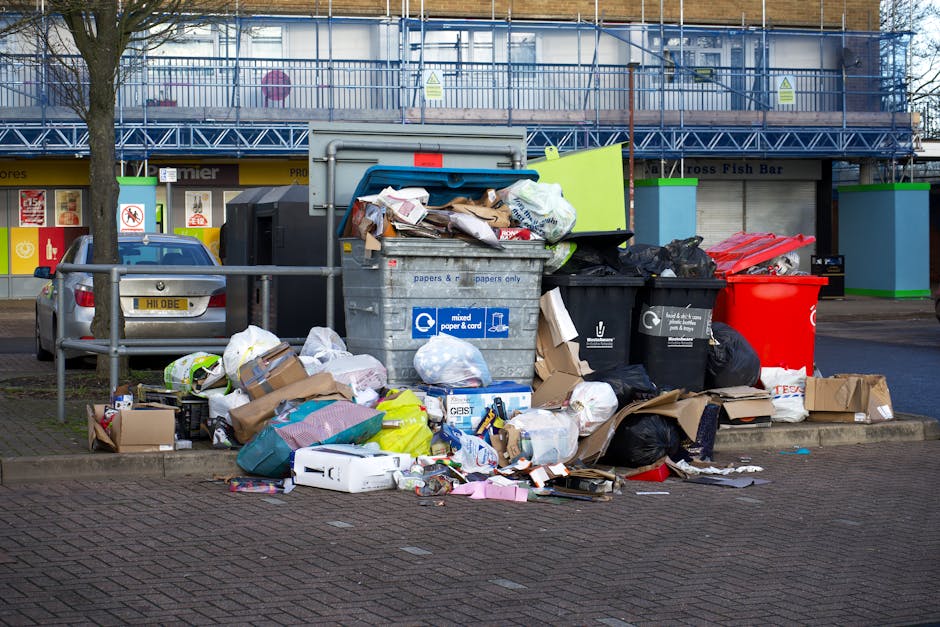
Waltham Forest council rubbish rules what Leytonstone must know
If you live in Leytonstone, rubbish rules are one of those practical things that only become obvious when something goes wrong: a missed bin, a sofa left out too early, a pile of builder's waste that is suddenly everyone's problem. Waltham Forest council rubbish rules what Leytonstone must know is really about keeping waste legal, tidy, safe, and collected without hassle. The good news? Once you understand the basics, it is a lot easier to stay on the right side of the rules and avoid the usual headaches.
This guide breaks everything down in plain English. You will find what the rules mean in day-to-day life, how collections and disposal usually work, what people often get wrong, and what to do when normal council services do not quite fit the job. Let's face it, waste piles up faster than we expect.
Table of Contents
- Why Waltham Forest council rubbish rules what Leytonstone must know Matters
- How Waltham Forest council rubbish rules what Leytonstone must know Works
- Key Benefits and Practical Advantages
- Who This Is For and When It Makes Sense
- Step-by-Step Guidance
- Expert Tips for Better Results
- Common Mistakes to Avoid
- Tools, Resources and Recommendations
- Law, Compliance, Standards, or Best Practice
- Options, Methods, or Comparison Table
- Case Study or Real-World Example
- Practical Checklist
- Conclusion
- Frequently Asked Questions
Why Waltham Forest council rubbish rules what Leytonstone must know Matters
Rubbish rules matter because waste is not just a tidy-up issue. It affects pavement access, pest control, public health, neighbours, and whether your household or business gets a smooth collection. In a busy area like Leytonstone, where terraces, flats, shared entrances, and narrow streets are common, even a small mistake can create a bigger mess than you expected.
People usually search for this topic after a missed collection, a bulky item they cannot shift, or a reminder that bins must be presented properly. Sometimes it is a simple matter of timing. Other times, it is about using the right service for the right type of waste. The rules are there to keep streets workable and to stop the classic "one bag turns into five" situation. We have all seen that happen.
There is also a trust angle here. If you are arranging a clearance, moving home, refreshing a flat, or clearing a garden, you want to know your waste will be handled responsibly. That is where a service like waste removal support or a more specific option such as house clearance can become useful when council rules alone are not enough.
Expert takeaway: The key is not just "where do I put my rubbish?" but "what kind of waste is it, who is responsible for it, and how should it be presented?" That little shift saves a lot of stress.
How Waltham Forest council rubbish rules what Leytonstone must know Works
In practical terms, council rubbish rules usually cover three things: what can go in your household bins, how items should be presented for collection, and which waste needs special handling. The exact arrangements can vary by property type, but the basic principle is the same. General household waste, recycling, food waste, garden waste, and bulky items all sit in different categories.
For Leytonstone residents, the main challenge is often space. A flat with no front garden, a shared bin store, or a house with a narrow footway can make storage and set-out awkward. That is why it helps to think ahead before collection day. A bag left the wrong way, lid open, or item put out too early can easily become a problem for everyone else on the street.
Bulky waste is another common sticking point. Sofas, wardrobes, mattresses, white goods, old shelving, and garden clutter are rarely handled like ordinary black-bag waste. In many homes, it is more practical to book a dedicated clearance rather than trying to squeeze items into council bins. If it is furniture, a targeted service such as furniture clearance or furniture disposal may be the cleaner route.
Trade and renovation waste need even more care. Bricks, plasterboard, timber, broken tiles, and packaging from a refurb should not be left out as if they were normal domestic waste. For that kind of material, a builders waste clearance option is usually the sensible choice.
One thing people often forget: your rubbish remains your responsibility until it is collected properly. If you hand waste to the wrong person and it ends up fly-tipped, the consequences can come back to you. Bit grim, but true.
Key Benefits and Practical Advantages
Following the rubbish rules is not about being perfect. It is about making life easier. When you get it right, you protect your property, avoid complaints, and keep collections running smoothly. There is also a surprisingly practical benefit to being organised: you waste less time chasing missed pickups or dragging heavy items in and out again.
- Cleaner streets and shared spaces: bins and bags are less likely to block pavements or attract pests.
- Fewer failed collections: waste that is sorted and presented correctly is more likely to be taken first time.
- Less neighbour friction: in flats and terraces, tidy waste handling avoids awkward conversations in the hall or on the pavement.
- Safer handling of heavy items: a proper collection or clearance reduces lifting injuries and damage to stairwells, walls, and flooring.
- Better recycling outcomes: separating the right materials helps more waste go the proper route.
If you are managing a larger project, the benefits multiply. A cleared loft, emptied garage, or finished office move feels much calmer when the waste side is under control. For those kinds of jobs, services such as loft clearance, garage clearance, or office clearance can save a lot of back-and-forth.
Who This Is For and When It Makes Sense
This topic matters to almost anyone in Leytonstone, but especially to people in certain situations:
- homeowners clearing out old furniture or loft storage
- tenants moving out and needing a final rubbish reset
- landlords preparing a property for new occupants
- flat owners working around shared bin stores and tight access
- local businesses disposing of office waste or stock room clutter
- DIYers and renovators dealing with rubble, timber, or mixed waste
- gardeners clearing branches, soil, hedge cuttings, and old planters
It makes sense to pay close attention when you are doing anything beyond day-to-day bin use. A small domestic tidy might stay within normal collections. A bigger clear-out usually does not. Truth be told, people often wait until the last minute and then realise the council bin is not magic.
If the waste is mixed, heavy, awkward, or too much for a standard collection, a more tailored service can be the smoother route. Depending on the job, that might be a home clearance, flat clearance, garden clearance, or business waste removal.
Step-by-Step Guidance
If you want to stay compliant and avoid confusion, use a simple process. It sounds basic, but it works.
- Identify the waste type. Separate household rubbish, recycling, food waste, bulky items, garden waste, and trade waste. Do not guess if something is special waste; if in doubt, treat it cautiously.
- Check how much you have. A small bag or two is different from a roomful of clutter. One is a bin issue. The other may need a collection plan.
- Keep items accessible. Waste should be easy to reach on collection day. If it is behind a locked gate, up three flights of stairs, or spread across a loft, plan ahead.
- Do not leave items out early. Early set-out can create obstruction or invite dumping by others. Nobody wants their front step to become a mini skip.
- Bag and bundle sensibly. Loose debris, sharp bits, and damp waste create extra mess. Keep it contained where possible.
- Use the right route for non-standard items. Furniture, white goods, and renovation waste are often best handled through a dedicated clearance service rather than improvised lifting.
- Confirm the end point. Make sure you know whether items are being reused, recycled, or disposed of through the appropriate channel.
That final point matters more than most people think. A good clearance should not just remove waste; it should remove uncertainty too.
Expert Tips for Better Results
Here is where small habits make a big difference.
First, sort before you lift. If you take everything downstairs or into the front garden before separating it, you create double work. Sort on the spot if you can. It is slower for five minutes and faster for an hour. Weirdly, that is how it goes.
Second, think about the route out. On a narrow staircase or in a converted flat, the real challenge is often not the weight but the angle. Measure awkward items before moving them. A wardrobe that is obviously too tall for a landing does not become less tall because everyone hopes for the best.
Third, keep wet and dry waste apart. Wet cardboard, soil, and food waste can contaminate recycling or create a mess during handling. In damp weather, especially in winter, this gets messy quickly.
Fourth, choose a clearance style that matches the job. A quick sofa removal is not the same as a full property strip-out. For single items, furniture-focused options may fit. For deep cleans, something like house clearance or home clearance is usually more efficient.
Fifth, ask about recycling and sustainability. If a provider can reuse or recycle suitable items, that is usually a better outcome than sending everything straight to disposal. You can see how this is handled on the recycling and sustainability page.
Common Mistakes to Avoid
Most rubbish problems in Leytonstone come from a few repeat mistakes. Nothing dramatic. Just the sort of stuff that creeps in when people are rushed.
- Mixing everything together: garden waste, rubble, furniture, and general rubbish should not all be treated the same.
- Overfilling bins: if lids will not close, collections may be refused or delayed.
- Leaving waste in the wrong place: shared entrances, pavements, and bin stores can become obstructed very quickly.
- Assuming "someone will take care of it": if you generate the waste, responsibility usually sits with you until it is collected properly.
- Using the wrong service for the job: trying to use a standard bin collection for bulky or mixed waste often backfires.
- Forgetting access issues: parking, stairwells, locked gates, and narrow paths can all affect collection day.
A common one is the half-finished clear-out. You lift the easy stuff, leave the awkward stuff "for later", and later somehow becomes next month. Happens all the time.
Tools, Resources and Recommendations
You do not need a complicated toolkit, just a sensible setup. A few simple items make waste handling much smoother:
- heavy-duty sacks for general rubbish and garden cuttings
- gloves for sharp edges, broken glass, and rough timber
- tape or rope for bundling items safely
- labels or marker pens to separate reusable, recyclable, and disposal items
- measuring tape for furniture, loft access, and awkward stairwells
- basic cleaning supplies for the inevitable dust and debris after moving items around
For bigger clearances, it is worth planning around the service type rather than trying to force the waste into a bin-based solution. If you are dealing with a garage full of mixed items, garage clearance can be a cleaner route. For a garden overhaul, garden clearance is more practical than trying to stage everything at the kerb.
If you are comparing costs or want to understand how a job might be priced, the pricing and quotes page is a helpful place to start. It is usually easier to compare once you know the volume, access, and waste type. Those are the big three.
Law, Compliance, Standards, or Best Practice
When rubbish and waste are involved, compliance is mostly about duty of care, safe handling, and using the right disposal route. That does not mean every resident needs to become a waste law expert. It does mean you should avoid casual disposal habits that could create nuisance, mess, or legal trouble.
Best practice is straightforward. Keep your waste contained. Do not block pavements or shared routes. Use appropriate collections for bulky, hazardous, or trade-related material. If a contractor is removing waste on your behalf, make sure they operate responsibly and can explain what happens to the waste afterwards.
For households and local businesses in Leytonstone, the safest approach is to treat mixed or substantial waste as something that needs planning. That is especially true for office moves, refurbishment debris, and end-of-tenancy clear-outs. A proper service such as office clearance or builders waste clearance is often the most sensible way to stay tidy and avoid risk.
It is also worth checking the details of any provider's policies. Transparent information about handling, security, and safety is a good sign. The pages on health and safety policy and insurance and safety show the sort of standards a careful customer should look for.
Options, Methods, or Comparison Table
People usually have three broad ways to deal with rubbish in Leytonstone: regular council collection, DIY transport to disposal, or a professional clearance. Each has a place. The trick is matching the method to the job.
| Method | Best for | Strengths | Limitations |
|---|---|---|---|
| Regular council collection | Everyday household waste and recycling | Simple, familiar, low effort | Not ideal for bulky, heavy, or mixed waste |
| DIY disposal | Small loads if you have time and transport | Flexible and direct | Requires lifting, access, vehicle space, and time |
| Professional clearance | Bulkier jobs, mixed waste, full-room clear-outs | Fast, managed, less physical effort | Usually better suited to larger jobs than tiny ones |
There is no "one size fits all" answer here. If you are clearing a single shelf of old bits and bobs, council routes may be enough. If you are stripping a loft or removing broken furniture after a move, a clearance service becomes much more attractive.
Case Study or Real-World Example
Imagine a Leytonstone family clearing out a two-bedroom flat after a move. They have four black bags, an old mattress, a broken dining table, two chairs, and a box of mixed odds and ends from the cupboards. At first glance, it looks manageable. Then collection day gets close and the lift is out of action. That changes things.
They could keep dragging items down a narrow staircase, try to split everything across several collections, or arrange a flat clearance that handles the whole lot in one go. In practice, the last option is often the least stressful. The bags are separated, the furniture goes together, and the job is finished in one neat sweep instead of becoming a week-long trail of half-moved clutter.
That is the real value of understanding rubbish rules. It is not just about compliance. It is about choosing the least painful route for the actual situation in front of you. And usually, the least painful route is the one that looks a bit more organised at the start.
Practical Checklist
Use this before your next collection or clearance.
- Have I identified the type of waste correctly?
- Is anything bulky, heavy, sharp, or awkward?
- Do I know whether the waste is household, garden, or trade-related?
- Is the collection point clear and accessible?
- Are bags closed and items safely bundled?
- Have I kept recyclables separate from general rubbish where possible?
- Will the waste block any shared path, stairwell, or pavement?
- Do I need a specialist service rather than a standard collection?
- Have I checked the provider's safety, insurance, and sustainability information?
- Do I know the next step if the waste is too much for normal bins?
If you can tick most of those off, you are probably in good shape. If not, pause and re-plan. Better a ten-minute rethink than a week of regret.
Get a free quote today and see how much you can save.
Conclusion
Waltham Forest council rubbish rules what Leytonstone must know comes down to a simple idea: the right waste, in the right place, at the right time. That sounds almost too basic, but it is exactly what keeps collections smooth, streets tidy, and clear-outs manageable. Once you understand the difference between everyday rubbish and bulky or specialist waste, the whole process becomes far less stressful.
For small household jobs, council collection and good bin discipline may be all you need. For bigger or messier projects, a proper clearance service can save time, protect access, and take a weight off your shoulders - literally. If you are dealing with a full property, furniture, garden waste, office contents, or renovation debris, it is worth choosing the route that fits the job rather than forcing the job to fit the bin.
And if you are still deciding what to do next, take a breath, sort the waste properly, and work from there. A tidy first step usually makes the rest feel easier. Funny how often that is true.
Frequently Asked Questions
What does Waltham Forest council rubbish rules what Leytonstone must know actually mean?
It refers to the everyday rubbish and waste rules that affect residents in Leytonstone, including how to sort, present, and dispose of household, bulky, garden, and trade waste safely and properly.
Can I leave bulky rubbish outside my home for collection?
Only if it is being collected through the correct route and placed where it will not block access or cause a nuisance. Bulky items often need specific arrangements, especially in flats or narrow streets.
What should I do with old furniture in Leytonstone?
Small pieces may be manageable through normal disposal routes, but larger or heavier items are often easier to handle through furniture clearance or furniture disposal.
Is garden waste treated the same as general rubbish?
No. Garden waste usually needs separate handling from ordinary household rubbish, especially if it includes branches, soil, hedge cuttings, or mixed outdoor debris.
What happens if I put waste out too early?
It can create obstruction, encourage fly-tipping by others, or lead to collection issues. Early set-out is one of the easiest mistakes to avoid.
Do I need a special service for renovation rubbish?
Usually, yes, if the waste includes rubble, timber, plasterboard, or mixed building materials. A builders waste clearance service is often more suitable than a standard bin approach.
How do I know whether I need house clearance or flat clearance?
It depends on the property type and the scale of the job. A house clearance suits whole-house jobs, while flat clearance is better for apartments and shared-access properties.
Are council rubbish rules different for businesses?
Yes, businesses generally need a different approach to waste, especially for larger volumes, office contents, or recurring disposal needs. That is where business waste removal can be useful.
What if I have rubbish in a loft, garage, or storage room?
Those spaces often collect mixed, awkward items over time. A focused service such as loft clearance or garage clearance is often the most efficient solution.
How can I make sure waste is handled responsibly?
Choose a provider that is clear about safety, handling, and sustainability. It also helps to review the recycling and sustainability approach before booking.
What is the safest first step if I am overwhelmed by rubbish?
Start by separating the waste into obvious groups: keep, recycle, general rubbish, bulky items, and special waste. If the pile is still too much, ask for a quote and move the decision from guesswork to facts.
Some jobs are just too awkward to do in pieces. That is not a failure; it is just reality. And once you know the rules, the whole thing becomes a lot less intimidating.