Plastic Types to Exclude from Your Routine
Plastic Types to Exclude from Your Routine: A Comprehensive Guide
As the world continues to grapple with plastic pollution, individuals are increasingly seeking ways to minimize their plastic footprint. While some forms of plastics serve essential purposes, others pose significant environmental and health risks. Understanding which plastic types to exclude from your routine is a critical step toward a more sustainable lifestyle. This guide explores problematic plastics, their associated risks, alternatives, and actionable tips to help you make informed decisions.
Why Certain Plastics Should Be Excluded from Your Daily Life
Plastics are ubiquitous--found in packaging, household items, toys, and even clothing. Yet, not all plastics are created equal. Some plastic types contain hazardous chemicals or are particularly difficult to recycle, making their continued use unsustainable and sometimes harmful. Excluding these plastics reduces environmental pollution, lowers the risk of chemical exposure, and encourages safer, eco-friendly alternatives.
Understanding Plastic Identification Codes
Most plastics are classified by the Resin Identification Code (RIC), a number (1 through 7) found inside the recycling triangle symbol on products. These codes help you determine the type of plastic and its recyclability or potential risks. Knowing these can help you identify which plastic types to minimize or avoid altogether:
- 1 - Polyethylene Terephthalate (PET or PETE)
- 2 - High-Density Polyethylene (HDPE)
- 3 - Polyvinyl Chloride (PVC)
- 4 - Low-Density Polyethylene (LDPE)
- 5 - Polypropylene (PP)
- 6 - Polystyrene (PS)
- 7 - Other (includes polycarbonate and mixed plastics)
Harmful Plastic Types to Avoid in Your Routine
1. Polyvinyl Chloride (PVC) - Code 3
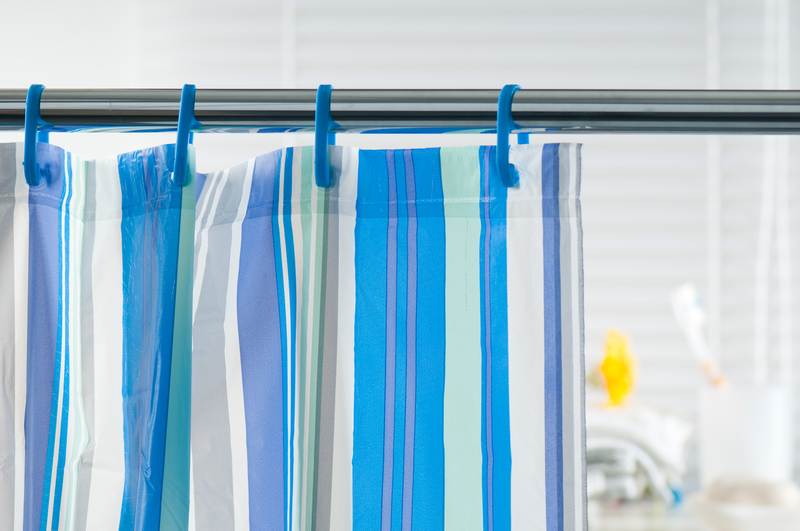
PVC is commonly found in pipes, shower curtains, plastic toys, packaging, and some food wraps. Despite its versatile properties, PVC is among the worst plastic types to include in your daily life.
- Health Risks: PVC can leach toxic chemicals such as phthalates and vinyl chloride, especially with age or exposure to heat.
- Environmental Impact: Its manufacturing releases harmful pollutants like dioxins, and PVC is rarely recycled.
Alternative: Choose items made from safer plastics like polyethylene or opt for glass, silicone, or stainless steel products.
2. Polystyrene (PS or Styrofoam) - Code 6
Polystyrene, often known as Styrofoam, is common in disposable cups, food containers, egg cartons, and packing peanuts.
- Health Risks: It can leach styrene, a probable human carcinogen, especially when in contact with hot or acidic food.
- Environmental Impact: Rarely recycled, takes centuries to biodegrade, easily breaks into microplastics that pollute land and water.
Alternative: Opt for compostable food containers, bamboo plates, or reusable glass and stainless steel options.
3. Polycarbonate and "Other" Plastics - Code 7
Plastic marked as code 7 can include many different polymers, such as polycarbonate, acrylic, or biodegradable plastics. Polycarbonate plastics often contain bisphenol A (BPA), a chemical linked to hormone disruption.
- Health Risks: BPA may leach into food or beverages and disrupt hormonal functions, raise the risk of cancer, diabetes, and reproductive issues.
- Environmental Impact: Difficult to recycle due to their mixed material composition, contributing to landfill overflow and environmental pollution.
Alternative: Use products labeled BPA-free, stick with glass, ceramic, or metal whenever possible, and check for recycling or proper disposal methods.
Other Plastic Types Worth Minimizing
4. Low-Density Polyethylene (LDPE) - Code 4
LDPE is widely used in grocery bags, bread bags, squeezable bottles, and some food wraps. While considered less toxic, it is rarely recycled through curbside programs and often ends up as litter.
- Environmental Impact: Single-use in nature, leading to increased pollution and harm to wildlife.
Alternative: Switch to reusable bags, beeswax wraps, or containers made from sustainable materials.
5. Single-Use Plastics (Various Codes)
Items like cutlery, straws, plates, and certain packaging made from plastics often fall into the single-use category. These products frequently combine multiple problematic plastic types, exacerbating waste management issues.
- Health Concerns: These often include additives or colorants that may not be food-safe.
- Environmental Risks: Most single-use plastics are not recycled and end up harming wildlife or breaking into microplastics.
Alternative: Use metal, bamboo, or compostable utensils, and bring your own containers and straws.
Why Are Some Plastics More Problematic Than Others?
There are several reasons why certain plastic types should be excluded from your routine:
- Leaching of Harmful Chemicals: Plastics can release substances like BPA, phthalates, and styrene into food and drinks, especially when heated or exposed to sunlight.
- Recycling Difficulties: Some plastic codes are difficult or impossible to recycle in most municipal programs, leading to landfill accumulation.
- Environmental Persistence: Many plastics break down slowly, contributing to long-term pollution and formation of microplastics that contaminate water and food chains.
- Health Hazards During Production: The manufacturing of certain plastics releases toxins hazardous to human health and the environment.
- Wildlife Threats: Many single-use or lightweight plastics end up in nature, causing injuries or deaths to animals through ingestion or entanglement.
Quick Reference Table: Plastics to Exclude vs. Safe Plastics
| Plastic Type (Code) | Main Uses | Primary Risks | Recommended? |
|---|---|---|---|
| PVC (3) | Pipes, packaging, food wrap, toys | Toxic chemicals, rarely recycled | Exclude |
| Polystyrene (6) | Disposables, food trays, cups | Leaches styrene, non-recyclable | Exclude |
| Polycarbonate & Other (7) | Water bottles, baby bottles | BPA presence, hormone disruption | Exclude |
| LDPE (4) | Plastic bags, film, wraps | Litter, not easily recycled | Minimize |
| PET (1), HDPE (2), PP (5) | Bottles, containers, food wrap | Relatively safer, recyclable | Use with care |
Tips for Excluding Harmful Plastics from Your Routine
1. Analyze Your Purchases
- Check packaging for the resin identification code.
- Prioritize products using glass, stainless steel, silicone, or paper-based packaging.
2. Switch to Reusable Alternatives
- Carry cloth bags, stainless steel water bottles, and glass food containers.
- Consider beeswax wraps instead of plastic film.
3. Avoid Food in Problematic Plastics
- Never use PVC or polystyrene containers for food storage or reheating.
- Choose "BPA-free" products but favor glass or stainless steel when possible.
4. Advocate and Educate
- Support bans on single-use plastics and advocate for better recycling policies.
- Educate friends and family about the plastic types to exclude from routines.
5. Participate in Recycling Programs
- Learn which plastics are accepted in your local recycling stream and dispose of them correctly.
- Return plastic bags to designated recycling drop-off locations at grocery stores.
Eco-Friendly Alternatives to Hazardous Plastics
By minimizing your use of problematic plastics, you support a healthier planet and create safer spaces at home and work. Here are eco-friendly materials to replace the plastic types to exclude from your routine:
- Glass: Ideal for food and beverage storage, does not leach chemicals, and is endlessly recyclable.
- Stainless Steel: Durable, non-reactive, and great for water bottles, lunchboxes, and cookware.
- Bamboo: Compostable and sustainable alternative for utensils, plates, and toothbrushes.
- Silicone: Flexible, heat-resistant, reusable; suitable for bakeware, lids, and food storage.
- Paper or Cardboard: When sourced responsibly, paper packaging is recyclable and biodegradable.
- Compostable Plastics: Made from plants, these break down more rapidly but require proper facilities.

The Long-Term Benefits of Reducing Problematic Plastic Types
Making a conscious effort to exclude toxic and non-recyclable plastics from your routine yields significant benefits:
- Protects Your Health: Limits exposure to harmful chemicals associated with cancers, hormone disruption, and other health issues.
- Reduces Plastic Waste: Lessens landfill and ocean pollution, helping prevent microplastics from entering food chains.
- Encourages Industry Change: Drives demand for safer, more sustainable packaging and product designs.
- Sets a Positive Example: Inspires others in your community to adopt environmentally-friendly habits.
Final Thoughts: Making Better Choices Every Day
Awareness is the cornerstone of sustainable living. By understanding which plastic types to exclude from your daily life, you reduce your environmental impact and protect your health. The transition need not be overwhelming. Start by checking plastic codes, swapping single-use items for reusables, and spreading the word. Every small change, multiplied on a large scale, creates powerful positive change for people and the planet.
Embrace a greener routine today--your choices matter for a cleaner, safer future!
```