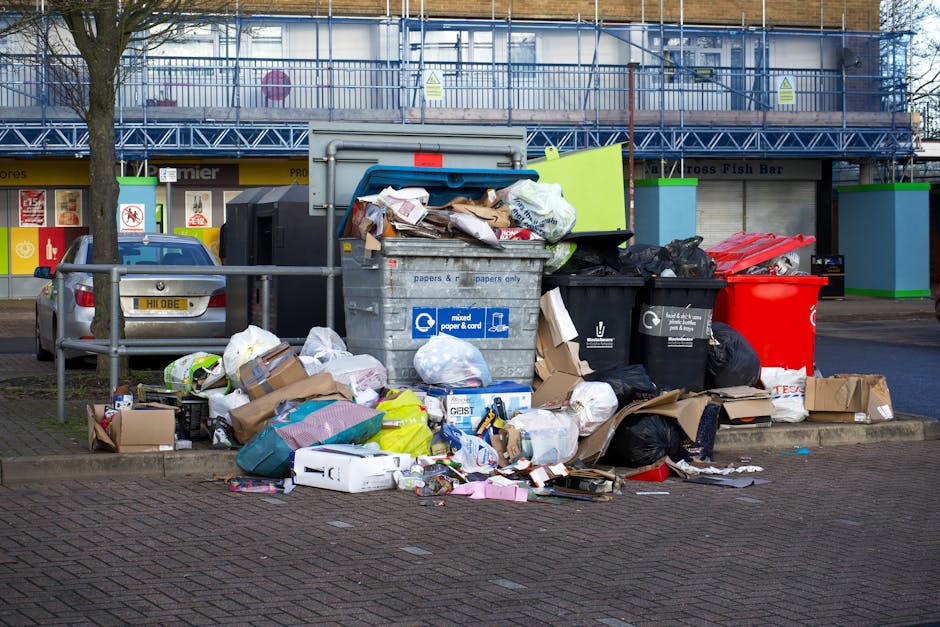
Leytonstone tube station area rubbish removal tips
If you live, work, or rent near Leytonstone tube station, rubbish can build up faster than you expect. A hallway gets cluttered after a flat move-out. A back yard fills with broken furniture. A shop refit leaves cardboard, offcuts, and old fittings stacked in the corner. Before long, the space feels tight, messy, and awkward to use.
This guide to Leytonstone tube station area rubbish removal tips is designed to help you deal with that mess in a sensible, local, low-stress way. You'll get practical steps for sorting waste, deciding what to keep or clear, planning a removal safely around busy streets, and avoiding the common mistakes that waste time or money. We'll also cover local considerations, UK waste best practice, and the kinds of decisions that matter most when you need a tidy result without the drama. To be fair, that's usually what people want: not a lecture, just a clear way through it.
Whether you are handling a small domestic clear-out or a bigger job with bulky waste, it helps to understand the process before you start lifting. And yes, the "just put it out and hope for the best" approach is usually the one that causes problems.
Table of Contents
- Why Leytonstone tube station area rubbish removal tips Matters
- How Leytonstone tube station area rubbish removal tips Works
- Key Benefits and Practical Advantages
- Who This Is For and When It Makes Sense
- Step-by-Step Guidance
- Expert Tips for Better Results
- Common Mistakes to Avoid
- Tools, Resources and Recommendations
- Law, Compliance, Standards, or Best Practice
- Options, Methods, or Comparison Table
- Case Study or Real-World Example
- Practical Checklist
- Conclusion
- Frequently Asked Questions
Why Leytonstone tube station area rubbish removal tips Matters
Leytonstone has the usual London mix: busy pavements, tight access in some streets, flats above shops, terrace homes, and people moving in and out all the time. That makes rubbish removal a bit more than a simple "get rid of the stuff" task. You have to think about access, timing, noise, sorting, loading, and where the waste is going next.
Near a tube station, those details matter even more. Deliveries, parking, foot traffic, school runs, and commuting patterns can make a normal clear-out feel surprisingly complicated. If you leave bags or bulky items in the wrong place, they can get in the way quickly. And if you are trying to work quietly around neighbours, late-night noise or repeated trips up and down stairs can become a nuisance.
There is also the practical side. A well-planned rubbish removal saves you from extra handling, missed collections, and the classic double-job of moving everything twice because the sorting wasn't done first. That's the sort of thing nobody wants on a rainy Wednesday morning with the front path already blocked. A bit of planning goes a long way.
For readers who want a broader service overview, our London rubbish removal page explains how larger clearances are typically handled across the city, while our domestic rubbish removal service page is useful if your main job is household waste, furniture, or general clutter.
How Leytonstone tube station area rubbish removal tips Works
At its core, rubbish removal in this area follows a simple sequence: identify the waste, sort it, choose the right removal method, and then make sure it is collected or taken away legally and efficiently. Sounds obvious, but the quality of the result depends on how carefully each stage is handled.
In a residential setting, you might be dealing with black bags, old furniture, small appliances, garden waste, cardboard, or renovation debris. In a commercial setting, it could be office waste, shelving, packaging, shopfitting leftovers, or mixed rubbish from a refurb. Each type needs slightly different treatment, and mixed loads can be a headache if they aren't prepared properly. Truth be told, the messiest jobs are often the ones where everything got dumped into one corner first.
Most people choose one of three routes:
- Self-clearance using your own vehicle and a nearby disposal point, if the load is manageable and you have the time.
- Man-and-van style collection, where a team loads the rubbish for you and removes it in one go.
- Skip-based removal, which can suit larger projects where rubbish will build up over several days.
Each option has trade-offs. Self-clearance can be cheaper but is physically demanding and time-heavy. A collection service is usually quicker and easier for household and bulky waste. A skip can work well for ongoing clear-outs, though access and placement need thought, especially around tighter Leytonstone streets.
If you are tackling a bigger clearance, it may also help to look at our house clearance and office clearance pages, which cover the practical side of larger domestic and business removals.
Key Benefits and Practical Advantages
Good rubbish removal is not just about getting rid of clutter. Done properly, it protects your time, your space, and your sanity. That sounds a bit dramatic, but anyone who has tried to shift a wardrobe down narrow stairs will know exactly what I mean.
The biggest benefits are straightforward:
- Better use of space - rooms, hallways, and outdoor areas become usable again.
- Less stress - the job feels manageable when you have a clear plan.
- Safer access - fewer trip hazards, blocked exits, and awkward piles by the door.
- Cleaner sorting - items that can be reused, recycled, or donated are easier to separate.
- Faster turnaround - especially useful if you are moving, renovating, or preparing a property for sale or letting.
There is also a reputational angle for landlords, agents, and businesses. A tidy property or storefront near the station gives a better impression straight away. People notice the little things: the smell of damp cardboard, an overflowing bin, the pile of broken fittings by the back gate. Not exactly the warm welcome you want.
For many people, the most valuable benefit is simple relief. Once the waste is gone, the job stops hanging over you. And that is a good feeling.
Who This Is For and When It Makes Sense
This topic is relevant to a wide range of people around Leytonstone tube station. You might need rubbish removal tips because you are clearing a flat, emptying a loft, getting a rental ready, or finally dealing with the pile that has grown in the shed for far too long.
It especially makes sense for:
- Homeowners planning a declutter, renovation, or garden tidy-up.
- Tenants who need to leave a property clean and avoid end-of-tenancy disputes.
- Landlords dealing with leftover furniture, mixed waste, or bulky items after a move-out.
- Businesses clearing stock, packaging, office furniture, or old displays.
- Tradespeople looking for an efficient way to remove light construction debris and site waste.
It also matters if access is awkward. Flats above commercial units, shared entrances, narrow roads, and limited parking can turn a simple task into a logistical puzzle. In those cases, planning the load-out is half the battle.
If you are unsure whether the waste is household, commercial, or mixed, that is worth clarifying early. It affects how the job is priced, how it is handled, and what vehicle or labour setup is most suitable.
Step-by-Step Guidance
Here is a practical way to approach rubbish removal near Leytonstone tube station without overcomplicating it.
1. Walk the property first
Start with a proper look around. Check the loft, under-stairs spaces, rear yard, shed, basement, and the places clutter tends to hide. You'll often find a few items that are more useful than you remembered. Or, let's face it, a few items you forgot existed.
2. Sort the waste into clear groups
Separate items into categories such as general waste, recycling, bulky furniture, electricals, garden waste, and reusable items. This makes collection smoother and can reduce unnecessary disposal costs. It also helps stop recyclable materials getting mixed in with everything else.
3. Measure the awkward items
Doors, stairwells, and narrow hallways can be more important than the item itself. A sofa that looks manageable in the room may be a nightmare around a tight landing. Measure if needed, especially for wardrobes, beds, desks, fridges, or panelled office furniture.
4. Decide how quickly the waste needs to go
If the rubbish is getting in the way of a move, inspection, or opening day, speed matters more than almost anything else. If you have time, you can plan a more gradual removal. If not, a single collection may be the cleanest fix.
5. Check access and parking reality
Near a station, parking is often the thing people underestimate. Can a vehicle stop safely? Is there space for loading? Will the team have to carry items a long way? A five-minute walk with heavy black bags becomes longer very quickly when there are ten of them.
6. Load in the right order
Heavy and awkward items should go first, then lighter waste, then smaller bits that fill gaps. That helps use the vehicle space properly and reduces the chance of damage during transport.
7. Keep proof and paperwork where needed
For business waste, or if you are using a professional clearance provider, keep a record of what was removed and where it went. Good operators should be able to explain their disposal route clearly. If that detail is vague, take that as a sign to ask more questions.
Expert Tips for Better Results
A few small habits can make a big difference. These are the sort of practical tips that save time rather than sound impressive on paper.
- Book around the local rhythm - early mornings and midweek slots often feel easier than peak commuter times, especially if loading near the station.
- Keep useful items separate - once reuse and donation items get mixed into waste, they usually end up lost in the shuffle.
- Use sturdy bags and boxes - weak bags split at the worst possible moment. Always.
- Protect floors and door frames - especially in older properties where hallways can mark easily.
- Break down bulky items where safe - flat-pack furniture, cardboard, and some fixtures are easier to remove in smaller sections.
- Plan for dust and debris - a broom, dustpan, and a quick vacuum after loading can make a surprising difference.
One thing people forget: noise travels. If you are moving metal bed frames, old radiators, or broken fittings down stairs, it can echo through the whole building. A bit of padding, slower handling, and decent timing show respect to neighbours. That matters in shared blocks.
For larger or more complex jobs, our builders waste removal page may be useful, especially if your clearance includes rubble, packaging, or renovation debris.
Common Mistakes to Avoid
Most rubbish removal problems come from a few avoidable mistakes. You do not need perfection; you just need to avoid the traps that create extra work.
- Leaving sorting until collection day - that is how a tidy plan turns into a scramble.
- Underestimating the volume - one bedroom's worth of clutter can look small, then somehow fill a van.
- Ignoring access issues - parking, steps, narrow gates, and lifts all affect how smoothly the job goes.
- Mixing hazardous items with general waste - paints, chemicals, batteries, and some electrical items need extra care.
- Forgetting timing constraints - bin collection days, neighbour schedules, and building rules can matter more than you think.
- Choosing the cheapest option without checking what is included - a low headline price is not always a good deal if it leaves you doing half the work.
There is also the classic mistake of assuming everything can just be "chucked together." It rarely works out that neatly. Rubbish removal is one of those jobs where a little structure saves a lot of effort.
Tools, Resources and Recommendations
You do not need a van full of specialist kit to clear rubbish well, but a few basic tools make life easier. The right equipment keeps the job safer, tidier, and less annoying.
- Heavy-duty bin bags for general waste and smaller mixed items.
- Cardboard boxes for lighter, stackable materials.
- Work gloves to protect against sharp edges, splinters, and dust.
- Trolley or sack truck for moving heavier items over flat ground.
- Blankets and floor covers to protect interiors during removal.
- Markers or labels to tag items for reuse, recycling, or disposal.
- Basic cleaning tools so you can finish the space properly after the waste is gone.
On the planning side, it helps to think in categories: what can be reused, what can be recycled, what must be disposed of, and what needs special handling. That simple framework stops the whole job becoming messy in your head before it becomes messy on the floor.
If you need help with special items such as appliances, bulky furniture, or mixed household contents, our bulky waste collection and furniture removal pages are a helpful next stop.
Law, Compliance, Standards, or Best Practice
Waste removal in the UK is not something to be casual about. You do not need to become a compliance expert, but you do need to know the basics. Waste should be handled responsibly, and it should go to an authorised facility or recycling route where appropriate. If you are using a clearance provider, it is sensible to ask how they dispose of what they collect.
For householders, the main principle is simple: do not leave rubbish anywhere it is likely to create a nuisance, obstruction, or unsafe condition. For landlords and businesses, the expectation is usually higher because waste can affect neighbours, customers, and compliance responsibilities. Mixed commercial waste, confidential materials, or items containing sensitive data need extra care.
There are also practical safety points. Broken glass, needles, chemicals, batteries, and electrical items should be separated or handled according to accepted best practice. If you are not sure about an item, treat it cautiously and ask before moving it in with ordinary rubbish.
Good operators should be clear about segregation, loading, and disposal. If you are comparing providers, you can also review our waste collection service information and terms and conditions to understand the service framework before booking.
Options, Methods, or Comparison Table
The right method depends on the size of the job, your access, and how fast you need it done. Here is a simple comparison to help you think it through.
| Method | Best for | Pros | Trade-offs |
|---|---|---|---|
| Self-clearance | Small loads, flexible timing | Can be cost-effective, total control | Time-consuming, physically demanding, you do the heavy lifting |
| Man-and-van collection | Household clutter, bulky items, mixed waste | Quick, convenient, less disruption | May cost more than DIY, access still needs planning |
| Skip hire | Renovations, ongoing waste over several days | Good for larger volumes, flexible fill-up period | Needs space, permits or placement planning may apply |
In a station area like Leytonstone, convenience often wins. If access is tight or parking is limited, a collection service may make more sense than leaving a skip where it causes friction. On the other hand, for a longer project, a skip can be the easier route if space allows.
Case Study or Real-World Example
Imagine a small flat a short walk from Leytonstone tube station. The tenants have moved out, the landlord wants the place ready for decorating, and the property still contains a sofa, a mattress, several bags of mixed clutter, old kitchen bits, and some cardboard from furniture deliveries. Nothing dramatic, just the kind of job that looks manageable until you stand in the hallway and realise the lift is tiny, the stairs are narrow, and the front street is busy.
The sensible approach would be:
- Sort out reusable items first, so they are not accidentally thrown away.
- Separate the bulky furniture from smaller waste.
- Plan a collection time that avoids the worst of commuter traffic.
- Protect the hallway and entry points before loading starts.
- Keep the route clear so each item only moves once.
That kind of structure turns a stressful clearance into a steady, ordinary job. No drama. No last-minute panic. And the property feels immediately lighter afterwards, which is oddly satisfying.
This is also the point where some people realise the job is bigger than expected and decide to bring in help. Fair enough. Sometimes the smartest move is simply not trying to be a hero with a mattress in the rain.
Practical Checklist
Use this checklist before you start any rubbish removal around the station area.
- Identify all rooms, storage areas, and outdoor spaces that need clearing.
- Separate reusable items, recyclables, and general waste.
- Measure large or awkward items before moving them.
- Check access, stairs, parking, and loading space.
- Remove obvious hazards such as broken glass or loose sharp objects carefully.
- Bag or box items securely so they do not split or spill.
- Decide whether the job needs same-day collection or a more gradual approach.
- Protect floors, walls, and door frames where needed.
- Confirm how bulky items and special waste will be handled.
- Do a final sweep so nothing small gets left behind.
If you can tick most of those off, you are in a good place. If not, pause and reset the plan. Half the stress in rubbish removal comes from starting too quickly.
Get a free quote today and see how much you can save.
Conclusion
The best Leytonstone tube station area rubbish removal tips are the simple ones: sort early, plan access, protect the property, and choose a removal method that fits the job instead of fighting it. Near a busy tube station, small details matter more than people expect. A bit of planning can save you from a lot of carrying, a lot of dust, and a lot of muttering under your breath.
Whether you are clearing a flat, managing a rental, or dealing with bulky waste after a project, the aim is the same: make the space usable again without creating new problems. Keep it practical, stay tidy, and do the job in a way that respects neighbours and the local area. That's usually the difference between a messy day and a good one.
If the job feels larger than you expected, that is completely normal. Start with the first bag, the first box, the first room. The rest usually follows.
Frequently Asked Questions
What is the best way to handle rubbish removal near Leytonstone tube station?
The best approach is usually to sort the waste first, check access and parking, then choose the removal method that fits the volume and urgency. For many homes and flats, a man-and-van style collection is the most practical option.
How do I prepare bulky items for collection?
Measure them if access is tight, remove loose parts where safe, and keep walkways clear. Sofas, wardrobes, and beds are much easier to move when they are not surrounded by smaller clutter.
Can I mix different types of rubbish together?
You can sometimes mix general household waste, but it is better to separate recyclables, electrical items, sharp objects, and anything hazardous. Clear sorting helps the job run faster and reduces avoidable handling issues.
Is it better to use a skip or a rubbish collection service?
It depends on the job. A skip can suit ongoing clear-outs or renovation waste, while a collection service is often easier for bulky household items or mixed loads in tighter streets near the station.
What if I live in a flat with difficult access?
That is very common around London. Let the removal team know about stairs, lifts, narrow corridors, or limited parking in advance so they can plan the right team size and vehicle access.
How can I reduce the cost of rubbish removal?
Sort items before collection, remove anything reusable, and keep the load as organised as possible. Mixed, messy waste tends to take longer to handle and can increase the overall effort.
Do I need to separate electrical items from general rubbish?
Yes, that is usually the safer choice. Electricals often need different handling from ordinary waste, especially if they still contain plugs, batteries, or internal components.
What should businesses near the station watch out for?
Businesses should pay attention to access times, customer flow, and the handling of confidential or commercial waste. Clear planning helps avoid disruption and keeps the process professional.
Can rubbish removal be done quietly enough for neighbours?
Usually yes, if it is planned properly. Using sensible timing, moving items carefully, and avoiding late or early heavy loading helps reduce noise in shared buildings.
How do I know if a clearance provider is reputable?
Look for clear communication about what will be removed, how access will work, and where the waste goes. Reputable providers should be able to explain their process without being vague or rushed.
What should I do with items that might be reusable?
Set them aside before collection day. Once reusable furniture, appliances, or household items are mixed into general rubbish, they are much harder to recover.
What is the smartest first step if the job feels overwhelming?
Start by removing one category at a time, usually the easiest visible waste first. That momentum helps. After that, the bigger items feel less intimidating, which is half the battle.